How do we compare accounts of 1828?
A guided research trail · four stops · about 10 minutes
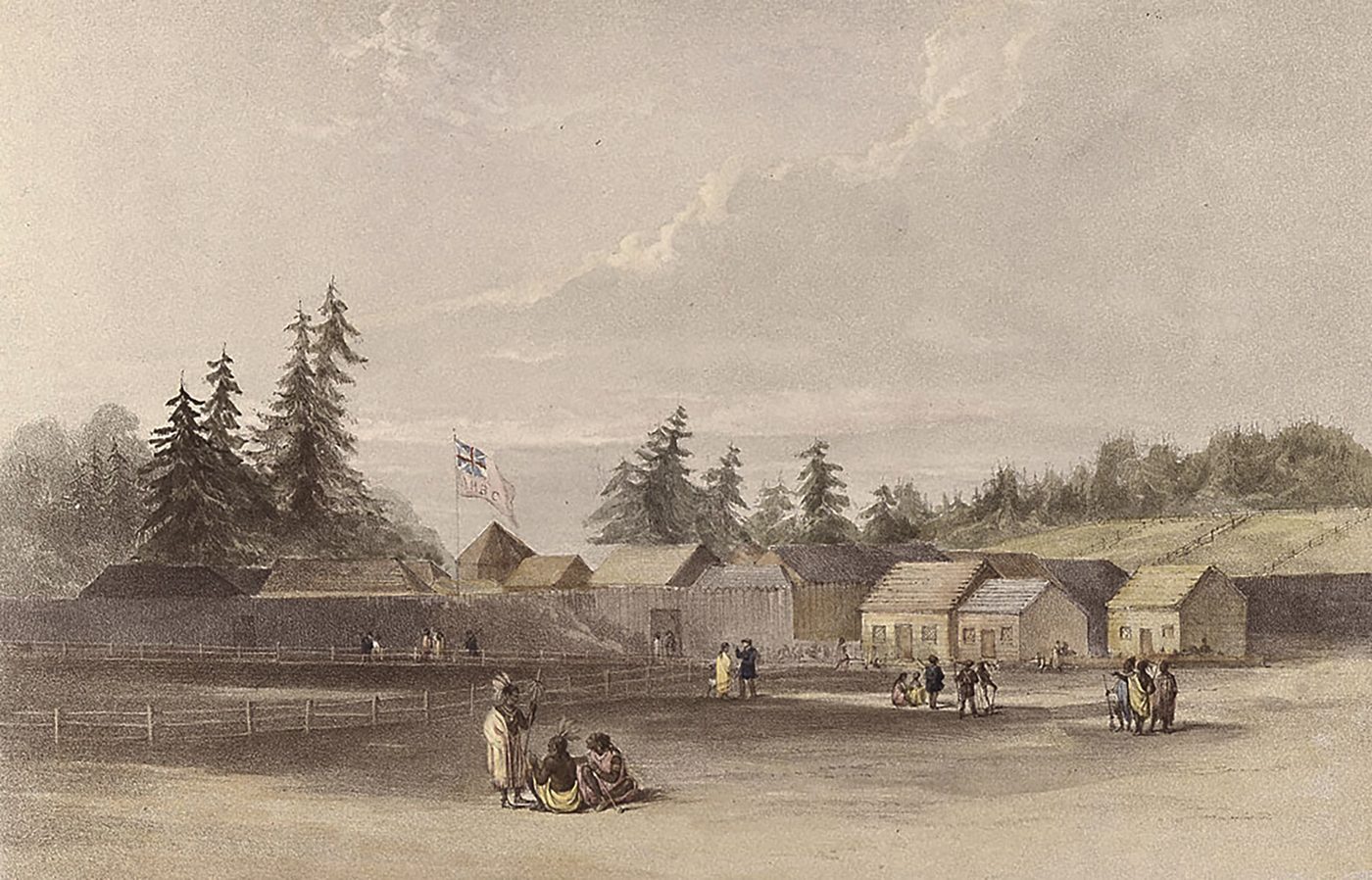
Credit and original
Creator’s scan; caption source: Bob Zybach, illustration captions, May 29, 2023. Creator’s original image
Read an expedition journal, a company report and a chief’s account preserved by a company officer. Ask who spoke, who wrote, and what each source can tell us.
Read the question, open the source, and keep an observation at each stop. Source links open in a new tab so your place here stays put. Download or print your notes and source links when you finish.
Four connected sources to explore
Stop 1 of 4
What survives from the people involved?
Scan the primary-source list. Notice which items are journals, which are reports, and which scans have no searchable text. A document’s date and author help define what it can support.
The primary-source shelfKeep the speaker or author, original work, and page or recording time with what you noticed.
Compare, download or print your notes ↓Stop 2 of 4
What did Rogers and McLoughlin record?
Read the passages Bob selected for the interpretive sign, especially Rogers on July 12 and McLoughlin’s August report. Notice the distinction between a journal entry and a report made after the event.
Journal and report passagesKeep the speaker or author, original work, and page or recording time with what you noticed.
Compare, download or print your notes ↓Stop 3 of 4
How does the chief’s account reach us?
Read the account given by Chief St. Arnoose and recorded by Alexander McLeod on October 11. Compare the explanation with the previous passages, remembering that a company officer wrote these words down.
The account recorded from Chief St. ArnooseKeep the speaker or author, original work, and page or recording time with what you noticed.
Compare, download or print your notes ↓Stop 4 of 4
What remains unsettled?
Use the chronology to see where dates and numbers disagree. Follow one citation back to its source before deciding which version you would repeat.
Dates, sources and disagreementsKeep the speaker or author, original work, and page or recording time with what you noticed.
Compare, download or print your notes ↓Your reading notebook
Put the sources together
Keep an observation at each stop, then compare what you found. A useful note names the speaker or author, the original work, and a page or recording time. Distinguish what the source says from what you think it means.
Notes stay in this browser; the Library does not receive them. They do not travel with a shared link or move to another device. Download a copy to keep them.
America’s School Trust Library · The Zybach Collection
How do we compare accounts of 1828?
Read an expedition journal, a company report and a chief’s account preserved by a company officer. Ask who spoke, who wrote, and what each source can tell us.
https://schooltrusts.org/collections/zybach/trails/reading-1828/
Read the sources, keep an observation from each, and compare them. Add the original author or speaker, work, and printed page or recording time to each note. The links below help another reader find your evidence.
1. What survives from the people involved?
Scan the primary-source list. Notice which items are journals, which are reports, and which scans have no searchable text. A document’s date and author help define what it can support.
- The primary-source shelf
https://schooltrusts.org/collections/zybach/jedediah-smith/the-1828-record/#primary
Observation and citation
________________________________________________________________
________________________________________________________________
2. What did Rogers and McLoughlin record?
Read the passages Bob selected for the interpretive sign, especially Rogers on July 12 and McLoughlin’s August report. Notice the distinction between a journal entry and a report made after the event.
- Journal and report passages
https://schooltrusts.org/collections/zybach/jedediah-smith/markers/#sign
Observation and citation
________________________________________________________________
________________________________________________________________
3. How does the chief’s account reach us?
Read the account given by Chief St. Arnoose and recorded by Alexander McLeod on October 11. Compare the explanation with the previous passages, remembering that a company officer wrote these words down.
- The account recorded from Chief St. Arnoose
https://schooltrusts.org/collections/zybach/jedediah-smith/the-1828-record/#native-account
Observation and citation
________________________________________________________________
________________________________________________________________
4. What remains unsettled?
Use the chronology to see where dates and numbers disagree. Follow one citation back to its source before deciding which version you would repeat.
- Dates, sources and disagreements
https://schooltrusts.org/collections/zybach/jedediah-smith/chronology/#1826
Observation and citation
________________________________________________________________
________________________________________________________________
What do the sources show together?
Where do they agree or differ? What would you check next?
________________________________________________________________
________________________________________________________________
Reading questions prepared by the Library with Codex assistance. Notes are the reader’s own. Source links are reading aids; add the original work’s citation before using them in your research. Source texts retain their authorship and rights.
Keep the source with your quotation →
All source links for this trail
Follow another question
Questions and connections: the Library, with Codex assistance. Original sources retain their own authorship and rights statements. Some collection pages remain held.

